
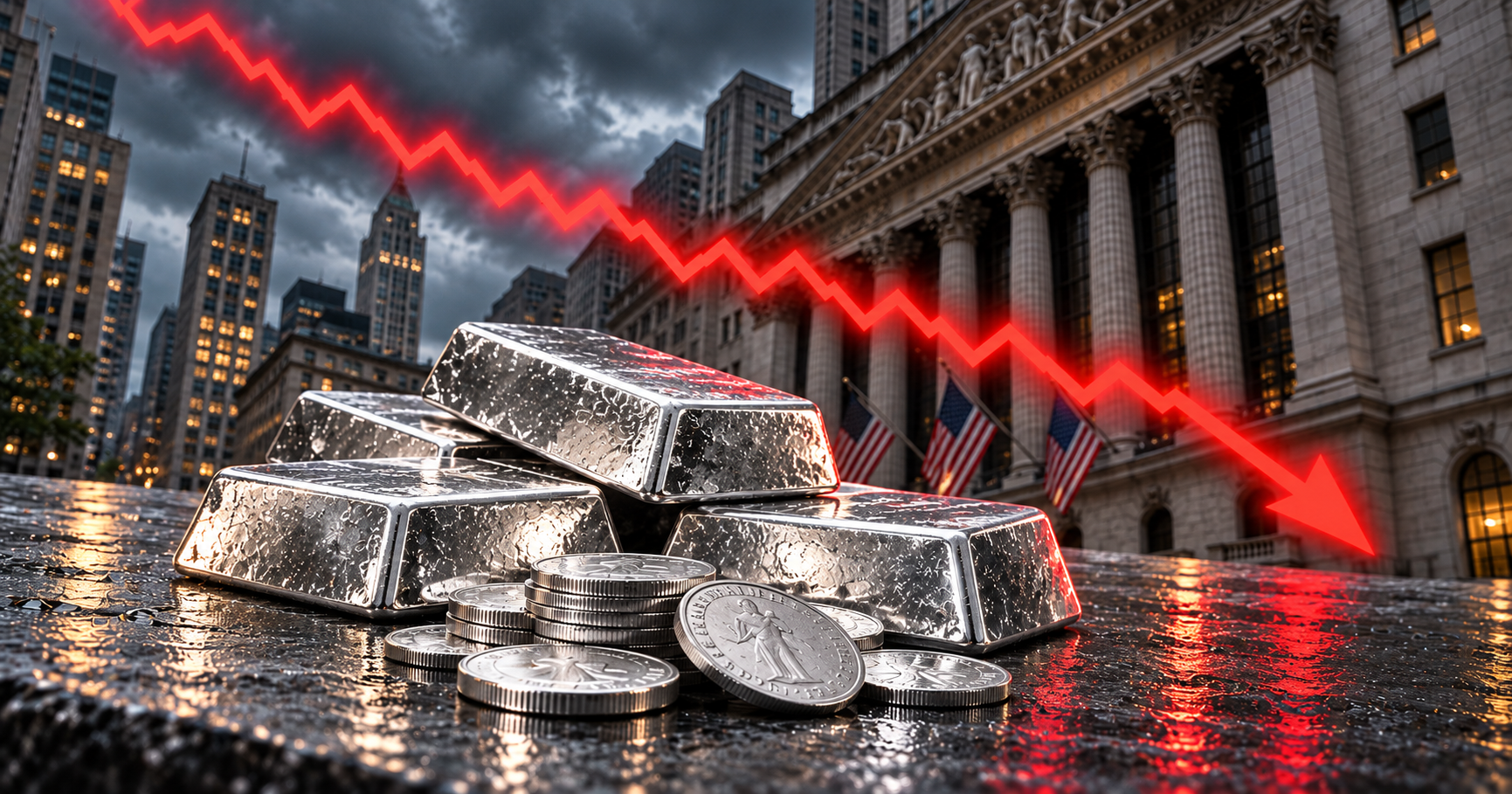
October 31, 2026 — Limitless Metals Market Analysis. Silver has just completed its worst two-month percentage decline since 2011, according to The Wall Street Journal, capping a turbulent October for precious metals. December gold futures settled Friday at $3,885.70 per troy ounce, down 6.49% for October, while silver futures closed at $49.097, losing 18.31% during the month. These are futures settlements, not live weekend spot prices.
Silver’s historic two-month decline: the numbers
Silver’s 18.31% October futures decline followed substantial weakness in September. The combined two-month percentage fall was its largest since 2011, according to The Wall Street Journal. On October 30, silver futures dropped 5.93% in a single session. Gold futures lost 3.29% that day, closing at their lowest level since October 2025.
These numbers highlight silver’s tendency toward greater volatility than gold. Although both metals can respond to interest rates and investor sentiment, silver is also widely used in manufacturing, electronics and energy technologies.
Why did silver fall so much harder than gold?
1. Inflation and expectations for higher interest rates
Persistently high U.S. inflation and rising energy costs have reinforced expectations that the Federal Reserve could maintain restrictive policy or raise rates further. Neither gold nor silver pays interest. Higher yields can increase the opportunity cost of holding metals, while a stronger dollar can pressure international demand.
2. Selling pressure across financial markets
Reuters reported a sharp selloff in technology shares on October 30, with analysts suggesting that margin calls and the need to raise cash may have contributed to liquidation of precious-metals positions. That is a plausible contributing factor, not a proven explanation for every price move.
3. Silver’s exposure to economic growth
Silver has industrial uses in solar technology, electronics, electrical infrastructure and other applications. Slower manufacturing activity could weaken demand expectations. China’s October manufacturing PMI fell to 49.3, below the 50 threshold that separates expansion from contraction, adding to growth concerns. The Chinese data arrived after Friday’s U.S. metals trading and should not be described as the direct cause of that session’s decline.
Does the selloff signal a recession?
A large silver decline can reflect weaker economic expectations, but it is not a reliable stand-alone recession indicator. Interest rates, the dollar, speculative positioning, investment flows, inventory changes and physical demand all affect prices. Investors should assess manufacturing data alongside employment, consumer spending, credit conditions and broader economic activity before drawing conclusions.
Why gold has held up relatively better
Gold is used for investment, jewelry and official reserves and is less directly dependent on industrial production than silver. Central-bank demand and safe-haven buying can sometimes cushion gold during periods of uncertainty. However, Friday’s sharp gold decline illustrates that it is not immune to forced selling or higher-rate expectations.
What could happen next?
- Continued inflation pressure: Higher yields and a firm dollar could extend weakness in both metals.
- Financial-market stabilization: Easing liquidity pressure could help metals recover, though a rebound is not guaranteed.
- Slower industrial activity: Weak manufacturing data could weigh particularly heavily on silver.
- Renewed safe-haven demand: Geopolitical or financial stress could support gold, but immediate price reactions can be mixed.
What physical gold and silver buyers should know
A large decline in spot or futures prices does not necessarily mean physical coins and bars will fall by the same percentage at retail. Dealer premiums, product availability, transaction spreads, shipping, storage and insurance all affect the total purchase and resale economics. Investors should evaluate liquidity needs, time horizons and portfolio concentration before treating a sharp selloff as a buying opportunity.
Frequently asked questions
How much did silver fall in October 2026?
Silver futures lost 18.31% during October, according to the October 30 closing figures reported by The Wall Street Journal. Spot and futures measurements may differ.
Was October silver’s worst month since 2011?
No. The reported historical comparison concerns the combined September–October two-month decline, not October alone.
Why can gold and silver fall during a stock-market selloff?
Investors may sell liquid assets to raise cash or meet margin requirements. This can temporarily outweigh safe-haven demand.
Does falling silver guarantee a recession?
No. Silver prices are influenced by monetary policy, industrial demand and trading activity; economic forecasts require a broader set of indicators.
Limitless Metals perspective
At Limitless Metals, we believe informed physical precious-metals ownership begins with understanding both opportunities and risks. Silver’s historic decline deserves careful analysis, not panic or promises of an imminent recovery. Clients considering gold or silver should understand product premiums, liquidity and long-term suitability.
Sources: The Wall Street Journal, October 31, 2026 — Gold and silver futures; Reuters via MarketScreener, October 30, 2026 — Technology selloff and metals; Reuters, October 30, 2026 — Broader market selloff.
This article is for educational purposes and is not personalized financial advice. Precious metals prices fluctuate and physical transactions involve premiums, spreads and other costs.
Stay Informed on Gold, Silver & Retirement Markets
Get market updates, precious-metals education, Gold IRA insights, and retirement-focused articles from Limitless Metals.